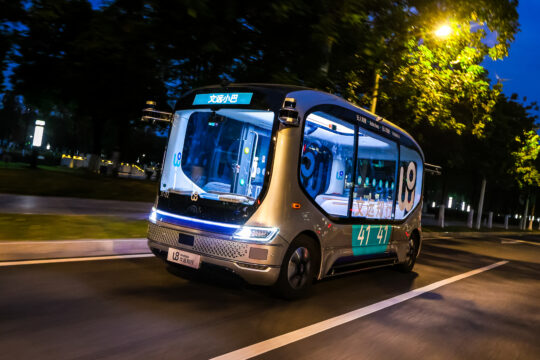
Blackboxes, AI and the Future of Warranties
The hustle and bustle of the dealership floors can mean one thing – sales are at an all time high and warranties are being dished out and served on a silver platter alongside the latest shiny wheels. “Don’t worry, it’s under warranty” is a term that’s echoed across dealership floors and while it is a comforting notion, it can also be a way to bill your brand new four wheeled companion when wheeled into service bays in case of a breakdown. With the rise of telematics, AI, and the so-called “black box” in vehicles, warranties are being redefined in ways that could dramatically affect both consumers and manufacturers.
The Original Promise
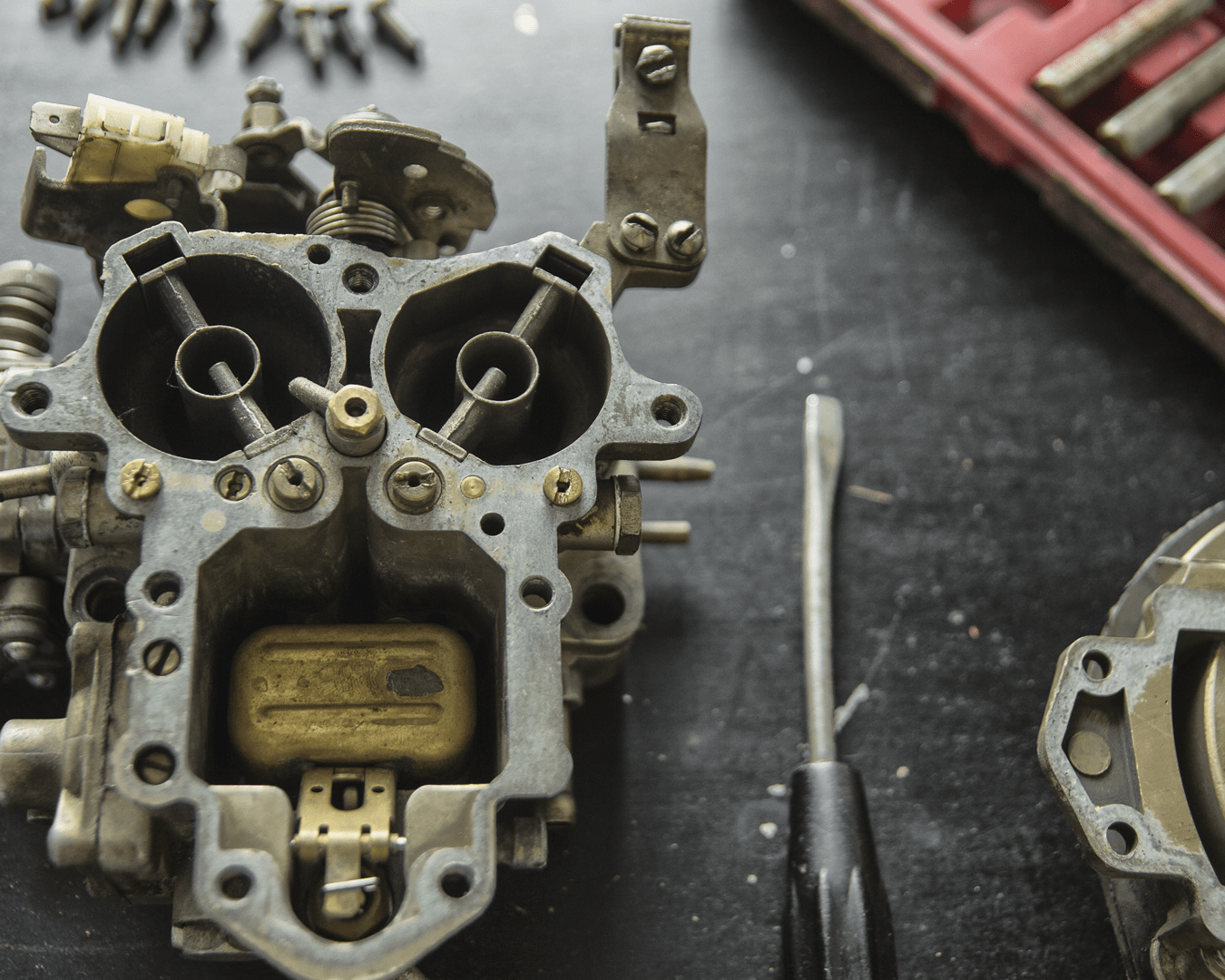
At their core, automotive warranties were always about offering consumers protection and peace of mind. The idea was simple: if a defect occurred, the manufacturer would step in and take care of it. For many years, this system worked well because cars were predominantly mechanical. A faulty carburetor or malfunctioning engine part was straightforward to diagnose and repair. Warranties were simple contracts that provided consumers with confidence in their purchase.
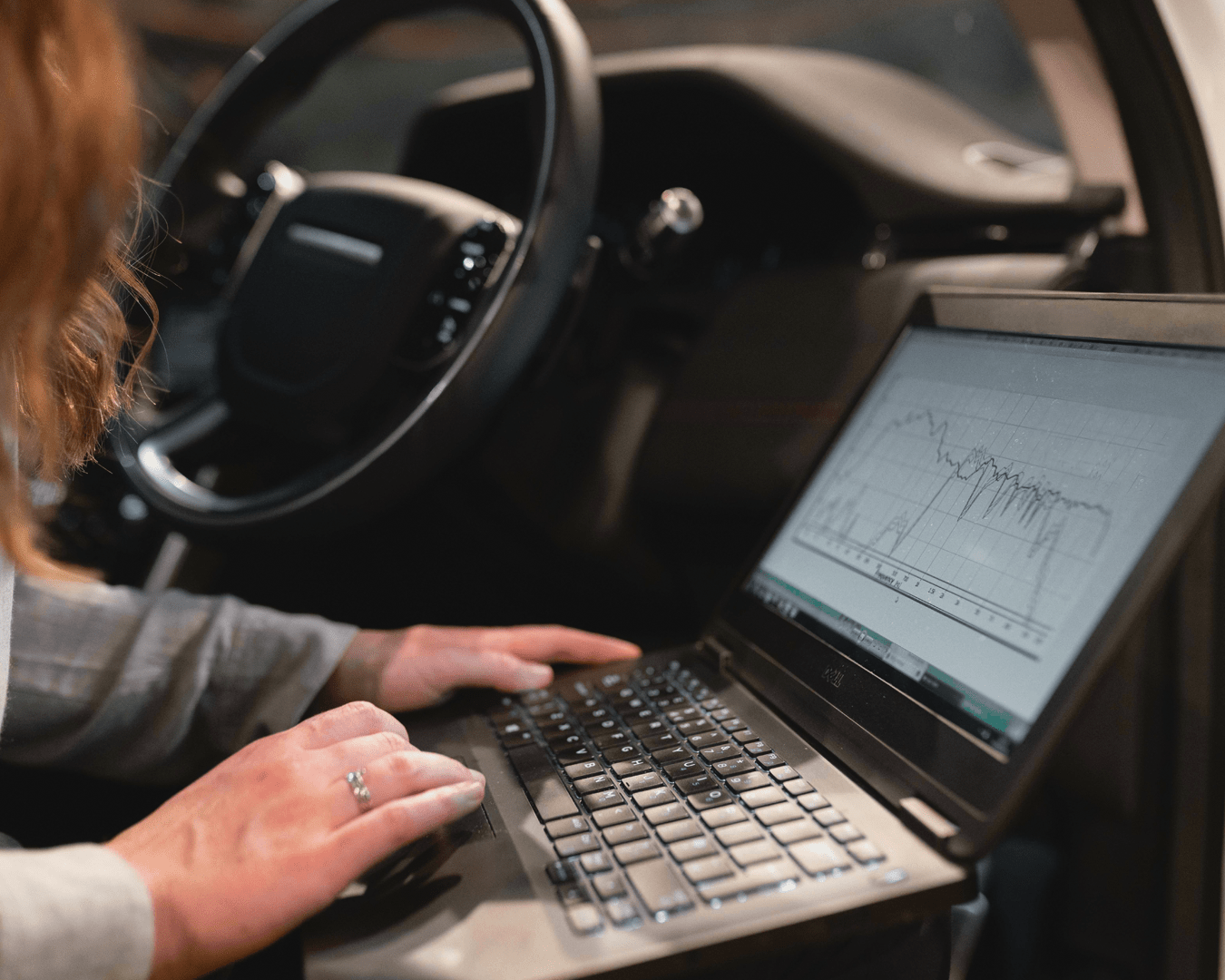
However, as vehicles have become more complex, with thousands of interconnected sensors and electronic systems, the landscape has changed. Diagnosing a problem today often requires specialized diagnostic equipment and access to software that only authorized service centers have. This has made warranty claims more complicated, especially as exclusions based on fine print begin to emerge.
The Rise of the Black Box and Data-Driven Warranties
Back in the day, the term “Black Box” would only be synonymous with airplanes, fast forward to today however and your daily runabout can be housing one. These devices record crucial data about a vehicle’s performance, including speed, acceleration, braking behavior, and even tire pressure. This data is being increasingly used to inform warranty decisions. Manufacturers are now able to access detailed driving behavior information, leading to questions about whether such data could be used to deny warranty claims. For instance, if a car’s black box reveals aggressive driving, manufacturers may argue that such behavior contributed to a failure and therefore void the warranty. While this approach promises greater accuracy in determining claim legitimacy, it also introduces concerns about fairness and transparency.
The future of automotive warranties is shifting from paper-based systems to data-driven models. Manufacturers are already employing AI and data analytics to predict vehicle failures, assess the validity of claims, and monitor driving behavior through telematics. A senior aftersales executive at a major automaker commented, “The future of warranty isn’t paper, it’s data. The car will tell us if the claim is valid or not.” While this promises more precise warranty enforcement, it also raises critical questions about consumer privacy and the extent to which manufacturers will be able to use data to limit claims.
Warranty or Warranty Trap?
For many consumers, the fine print in warranty agreements can turn a supposed “safety net” into a trap. Warranties are often loaded with conditions and exclusions that many buyers fail to notice. Common exclusions include wear-and-tear items like tires, brakes, and batteries, as well as damage caused by “improper use”, a vague term that can cover everything from aggressive driving to even environmental conditions.
In many markets, particularly the Middle East, environmental factors such as extreme heat, sand exposure, and poor fuel quality are often cited as reasons to void a warranty. Manufacturers argue that these factors fall under “regional exclusions,” leaving consumers to foot the bill for issues that might be covered elsewhere.
A frustrating scenario for many customers is the restriction on servicing. If a vehicle is serviced outside of the authorized network, even for something as basic as an oil change, the warranty may be voided. This forces customers to rely on often overpriced services at dealership workshops, further adding to the cost of ownership.
The Fine Line Between Customer Loyalty and Cost Containment
While manufacturers may not intentionally want to frustrate their customers, the rising costs of warranty claims are forcing them to become more restrictive. In 2023, global automakers spent an estimated $45 billion on warranty claims, a figure that rivals R&D budgets for some brands. The challenge for manufacturers is to strike a balance: offer comprehensive coverage to maintain customer loyalty, or limit claims to control costs. Many manufacturers are turning to AI and data analytics to predict potential failures and monitor driving behavior. This move allows them to minimize the risk of unwarranted claims and reduce overall warranty costs.
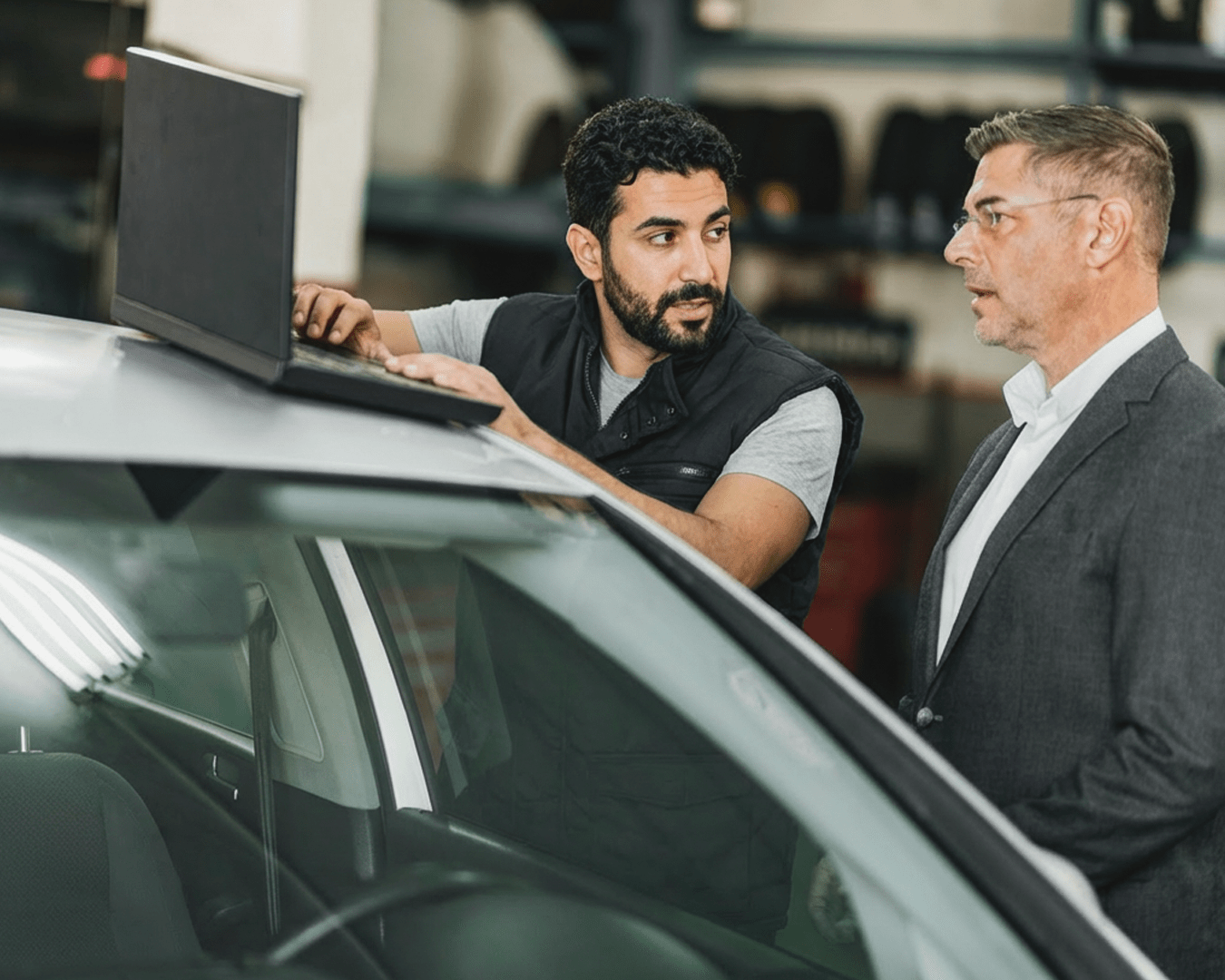
However, the question remains, will these new data-driven approaches result in more fairness for consumers, or will they simply lead to more exclusions and claim denials? As technology evolves, it’s clear that the warranty landscape is changing, and both consumers and manufacturers must adapt.
Data-Driven Warranties and Transparency
Data driven warranties are the future but the information it brings to the table can be a key factor in erasing warranty claims. As connected vehicles continue to gain popularity, the potential for more personalized and predictive warranty coverage becomes increasingly likely. A future where driving behavior influences warranty premiums or where predictive analytics help prevent failures before they occur is fast becoming a reality.
Ultimately, the challenge for the automotive industry is to ensure that warranties remain a meaningful guarantee for consumers, rather than becoming a tool for cost-cutting and denial. The role of data, transparency, and clear communication will be crucial in maintaining customer trust as warranties evolve.