A new film is bringing the extraordinary story of the six Maserati brothers back into the spotlight. Behind the Hollywood production lies a story of family, racing, engineering and brand building that remains remarkably relevant to today’s automotive industry.
There are car companies, there are racing legends, and then there are automotive families whose names become part of history. The Maserati brothers belong firmly in the third category.
Six brothers with an almost obsessive fascination with the automobile.
Now their story is coming to the big screen in Maserati: The Brothers.
But for anyone working in the automotive industry, the real story is arguably even more fascinating than the movie. Because the Maserati is about how passion became a business, how racing became marketing, how a symbol became a brand and how a family enterprise created an automotive legacy that would eventually become global.
It All Started with a Family
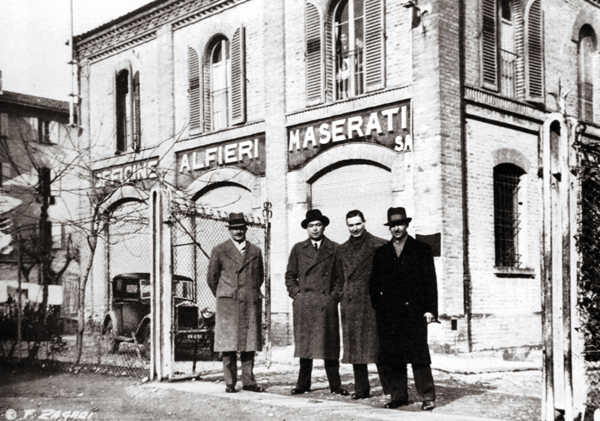
Photo: Ferruccio Testi, via Wikimedia Commons, CC BY-SA 1.0.
The Maserati brothers were Carlo, Bindo, Alfieri, Mario, Ettore and Ernesto, and they did not all have the same talents. They weren’t all engineers. They weren’t all racers. And they didn’t all play the same role in the business, and that may have been precisely what made the family so effective.
In 1914, Alfieri Maserati and his brothers Ettore and Ernesto established Officine Alfieri Maserati in Bologna, Italy. Their world was very different from today’s automotive industry. There were no computer designed engines, no digital twins, no electric powertrains and no software-defined vehicles. The racetrack was their development laboratory.
Build it, race it, learn from it and improve it. That philosophy would become part of the Maserati DNA.
The Trident that Lives On
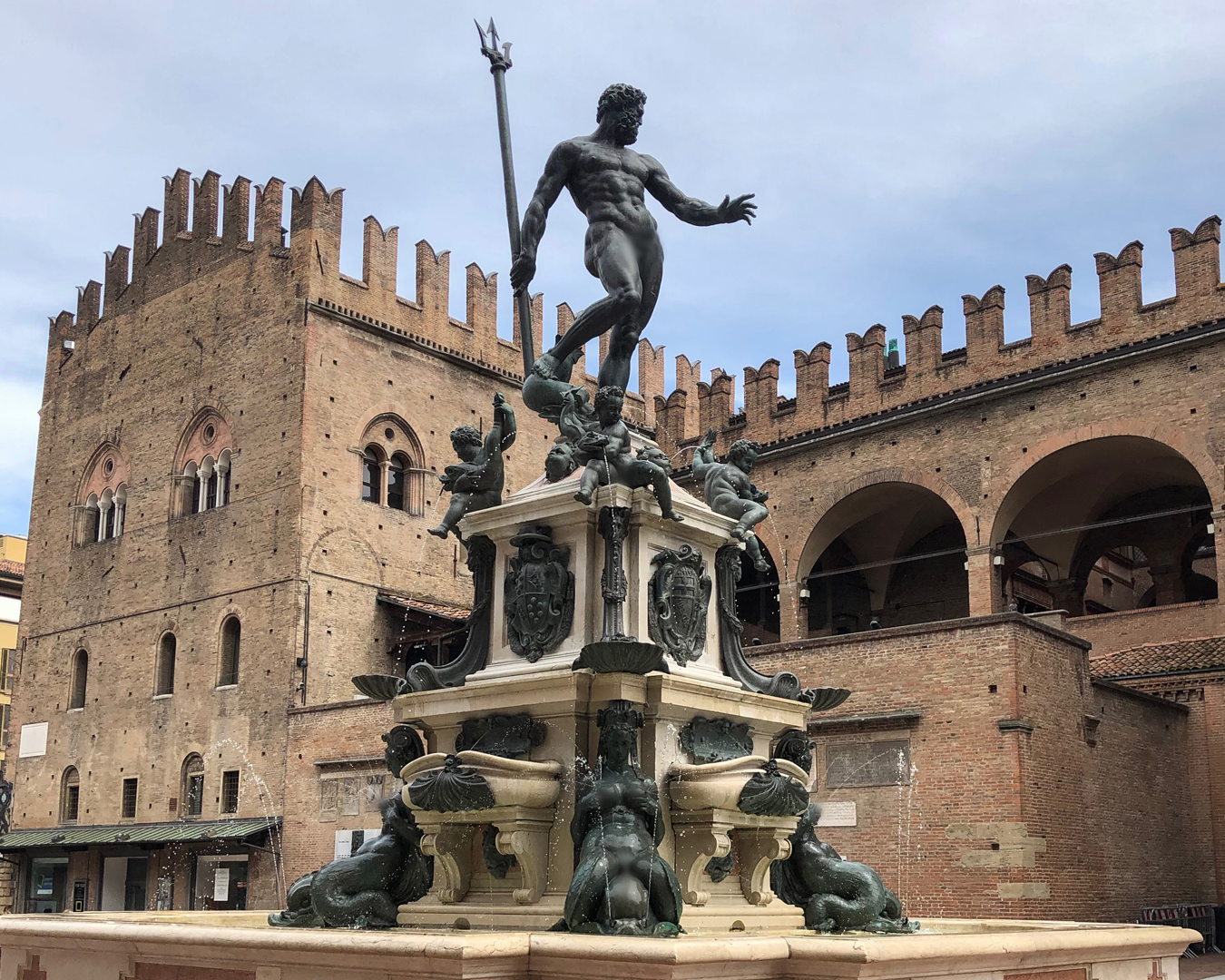
Photo: Einaz80, via Wikimedia Commons, CC BY-SA 4.0. Cropped from original.
Perhaps one of the most fascinating members of the family was Mario Maserati. While his brothers were immersed in engineering and racing, Mario was an artist. Yet he created what would become one of the most recognisable symbols in the automotive world. The Maserati Trident.
Inspired by the Fountain of Neptune in Bologna, the emblem gave the company an identity that could be recognised even without the word Maserati appearing beside it.
It is a powerful lesson. A great automotive company isn’t built by engineers alone. It needs engineering, it needs performance, it needs business leadership, but it also needs identity and emotion. And more than a century later, that Trident remains one of Maserati’s greatest assets.
Racing, The Original Marketing Machine
(Unknown photographer, via Wikimedia Commons. Public domain.)
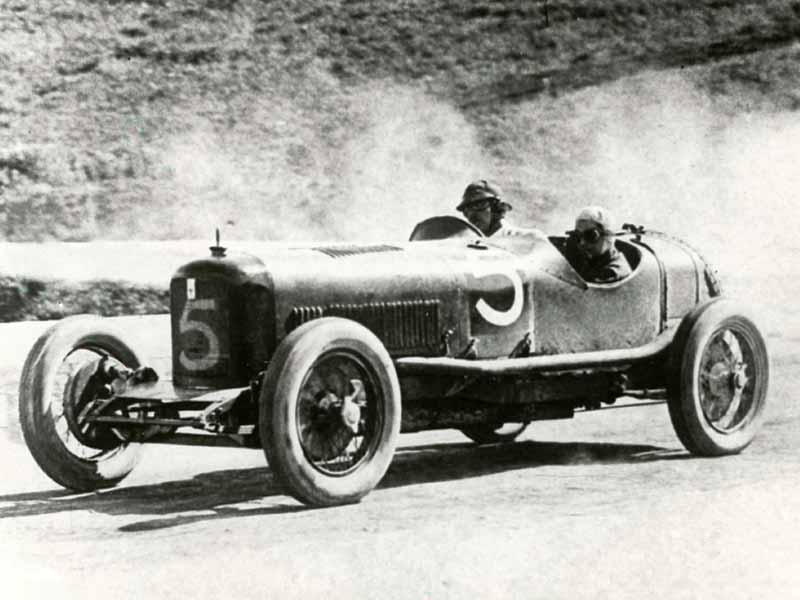
In 1926, the Tipo 26 became the first car to carry the Maserati name and Trident. Alfieri Maserati drove it to a class victory at the Targa Florio. The significance of racing in those days was very different from modern motorsport sponsorship. Racing was proof that if your car could win, customers believed it could perform, and if your engine survived competition, it earned credibility; and if your driver stood on the podium, the brand gained status. Maserati understood this exceptionally well.
Motorsport built the reputation, the Trident built the identity, and the story built the emotion. That formula still works today.
Racing, The Original Marketing Machine
In 1926, the Tipo 26 became the first car to carry the Maserati name and Trident. Alfieri Maserati drove it to a class victory at the Targa Florio. The significance of racing in those days was very different from modern motorsport sponsorship. Racing was proof that if your car could win, customers believed it could perform, and if your engine survived competition, it earned credibility; and if your driver stood on the podium, the brand gained status. Maserati understood this exceptionally well.
Motorsport built the reputation, the Trident built the identity, and the story built the emotion. That formula still works today.
Why the Middle East Should Pay Attention
This is where the Maserati story becomes particularly relevant to the Middle East. The region has developed into one of the world’s most important luxury automotive markets.
Dubai, Abu Dhabi, Riyadh, Doha, and other Gulf markets have customers who are among the most sophisticated luxury-car buyers anywhere in the world. They buy performance, they buy design, they buy exclusivity, and they buy technology. But perhaps most importantly, they buy what the brand says about them. That is where heritage comes in, and that is why Maserati’s history continues to have value in today’s Middle East.
The Trident represents racing, Italian design, engineering and more than a century of history. For a customer walking into a luxury showroom in Dubai or Riyadh, that history can be as important as the latest specification sheet.
The Dealership isn’t a Showroom Alone
There is an essential lesson here for the Middle East dealer groups. The traditional dealership model was relatively simple where you sell the car, service the car and then sell another car.
But luxury automotive retail has moved far beyond that, and the modern dealership is increasingly an experience centre. Customers expect personalisation, hospitality, events, digital engagement, exclusive experiences and a relationship with the brand. And this is where automotive heritage becomes extremely powerful.
Imagine a Maserati customer waiting for a service appointment and seeing the story of Alfieri Maserati and the Tipo 26. Imagine a VIP evening built around Maserati’s racing heritage. Imagine a classic Maserati displayed beside the latest model. Imagine a customer being told not just what their new car can do, but why the Trident means what it does. Heritage becomes content. Content becomes experience and experience becomes loyalty.
Family Business with All its Complexity
Unknown photographer, via Wikimedia Commons. Public domain.
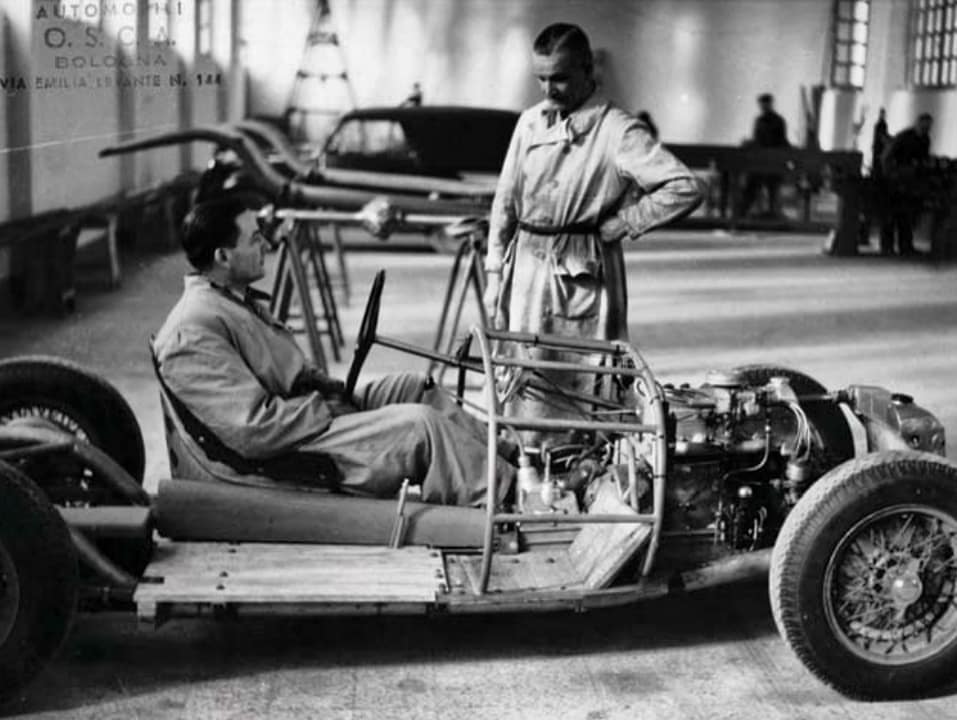
The Maserati story wasn’t a perfect family fairytale. In 1937, the brothers sold the company to industrialist Adolfo Orsi. Eventually, the Maserati brothers moved on. Then, in 1947, Bindo, Ettore and Ernesto founded another sports-car manufacturer, OSCA.
Think about that for a moment. They had helped create Maserati, they sold it, and then they started again. That is as much an entrepreneurial story as it is an automotive one, and it has particular relevance to the Middle East, where many of the region’s major automotive businesses have been built by entrepreneurial families. Some started with a single brand or franchise. Others evolved into large dealer groups representing multiple manufacturers across several countries.
The Maserati story demonstrates both the strength and complexity of family enterprise. Different personalities, different talents with different ambitions and eventually, the need to evolve.
What Can We Learn Today?
PASSION ABOVE ALL
The Maserati brothers didn’t have AI analysing customer sentiment or consultants producing 200-page market reports. Instead, they had an obsession with cars, and that passion became innovation.
Today, automotive businesses can sometimes become so focused on targets, market share, CSI scores and quarterly results that they forget the emotional reason customers buy cars in the first place.
At times, we tend to forget that passion creates brands.
DIVERSE TALENT = STRONGER COMPANIES
The Maserati brothers had a mix of engineer, racer, designer, and businessman and didn’t all do the same thing and neither should today’s automotive organisations.
The modern automotive company needs mechanical engineers, software specialists, battery experts, data scientists, marketers, designers, customer-experience specialists and commercial leaders. The industry has become much more complex and so has the definition of automotive talent.
BRAND IDENTITY CARRIES YOU
Mario Maserati’s Trident is a reminder that brand identity can become an asset in its own right at a time when vehicles from different manufacturers can increasingly look and feel similar; distinctive identity matters more than ever.
STORIES TOLD FOR THE YEARS
Customers can compare horsepower or range. They can compare acceleration, screens, cameras and driver-assistance systems. But they cannot compare the story behind a brand in quite the same way, as heritage is difficult to manufacture. You either have it, or you don’t. It’s that simple.
The Maserati Philosophy for the EV Era
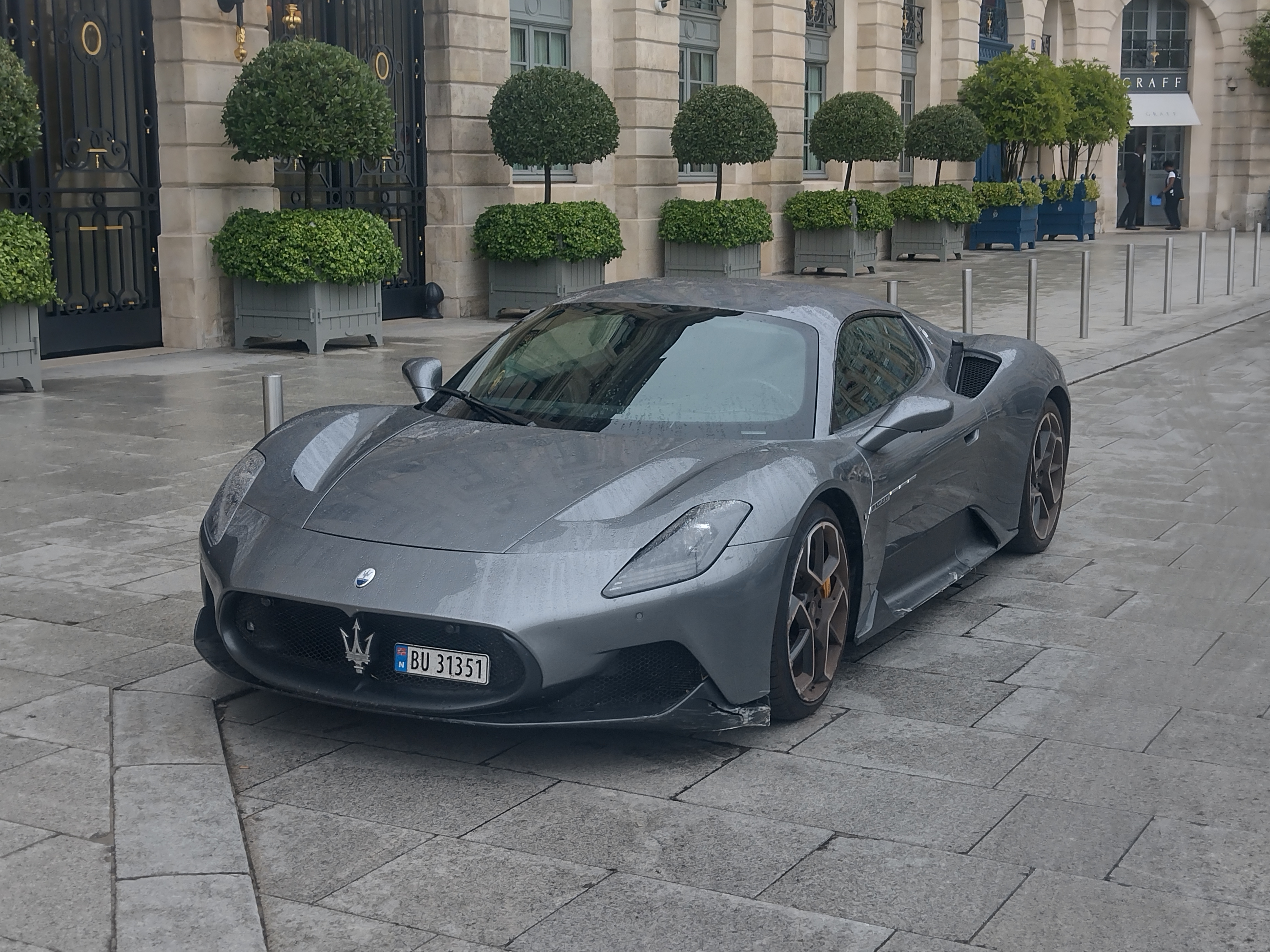
Photo: Mathious Ier, via Wikimedia Commons, CC0.
The timing of the movie is also very interesting when the automotive industry is undergoing its biggest transformation in more than a century. Electric vehicles are changing powertrains, Chinese manufacturers are changing competition, software is changing the vehicle, artificial intelligence is changing development and customer interaction, and dealerships are having to rethink everything from aftersales revenue to customer retention.
In this new environment, heritage could become even more valuable as technology becomes easier to replicate; history becomes harder to copy. Anyone can develop an electric motor, a large digital screen or an advanced driver-assistance system. But nobody can suddenly acquire 100 years of racing history. That is Maserati’s advantage.
The Movie is the Hook, But the Story is the Star
Maserati: The Brothers arrives at a fascinating moment for the automobile industry when the world is debating what the next generation of cars will look like, but the story of six brothers from Bologna reminds us where the automobile came from. Before the global dealer networks, billion-dollar automotive groups, before EVs and autonomous driving and before software-defined vehicles.
There were people who simply loved cars, built them, raced them, broke them, improved them and eventually, they created a brand that would become known around the world.
Perhaps that is why their story is worth telling again.
The automobile may be changing faster than ever, but the human desire for performance, beauty, competition, and something extraordinary remains exactly the same.
The Maserati brothers understood that emotion more than a century ago and built machines, raced them and created a symbol, and they left behind a name that still turns heads in Dubai, Riyadh, Doha and beyond. That is quite a legacy for six brothers from Bologna.
LinkedIn: Automotivate Middle East
Instagram: @automotivate.me
Facebook: Automotivate ME