What Comes Next for the GCC and the Wider Middle East
Periods of geopolitical turbulence are not new to the Middle East. For decades, the region has experienced cycles of uncertainty, transformation, recovery, and renewal. Each time, the nations of the Gulf Cooperation Council (GCC) have demonstrated an extraordinary capacity to endure, adapt, and ultimately emerge stronger. The current phase of regional instability may feel unsettling, but history consistently shows that moments like these often precede the next chapter of growth, innovation, and strategic progress.
For businesses, investors, policymakers, and communities across the Gulf and the wider Middle East, the key question is not simply how to endure the present moment, but what comes next once stability returns. If the past is any indication, the GCC is likely to move forward with renewed determination, stronger institutions, and an even greater commitment to economic diversification, technological advancement, and global leadership.
In many ways, the story of the Gulf region can be summed up by a simple principle: sometimes one step back creates the momentum for two steps forward.
The Gulf’s Proven Resilience
The nations of the Gulf have repeatedly demonstrated resilience in the face of global and regional disruptions. From economic downturns and energy market fluctuations to geopolitical tensions and global crises, the GCC has consistently navigated uncertainty with remarkable stability.
What sets the Gulf apart is the combination of visionary leadership, strong state institutions, strategic planning, and a long-term commitment to development. These elements have enabled the region not only to withstand shocks but also to transform challenges into opportunities.
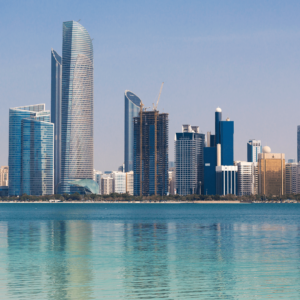
Over the past two decades, Gulf economies have evolved dramatically. Once primarily reliant on fossil fuels, the region has diversified into automotive, finance, tourism, logistics, aviation, technology, manufacturing, and renewable energy. Cities such as Dubai, Abu Dhabi, Riyadh and Doha have become global hubs for commerce, culture, and innovation.
Even during difficult moments, the leadership across the GCC has consistently emphasized stability, unity, and long-term prosperity. This continuity of vision is one of the most powerful assets the region possesses.
Leadership That Guides Through Uncertainty
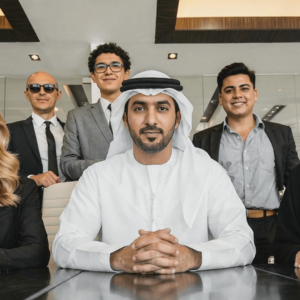
The strength of the Gulf lies in the leadership of its nations. Across the GCC, leaders have consistently prioritized national development, regional stability, and economic transformation.
For example, leaders such as Sheikh Mohammed Bin Rashid Al Maktoum have played an important role in steering Dubai through complex regional dynamics while continuing to drive ambitious development agendas. There are many more such progressive leadership stories from Abu Dhabi to Riyadh and Doha and beyond.
These leaders have demonstrated a deep understanding that stability is the foundation upon which economic growth and social progress are built. Their commitment to protecting both citizens and the millions of residents who call the Gulf home is widely recognized across the international community.
At times of uncertainty, this leadership becomes even more visible. Clear communication, decisive action, and long-term planning help maintain confidence among investors, businesses, and global partners.
So, will the Economic Momentum Continue?
The obvious response is a big YES! We can be fully assured that when the current wave of regional tension eventually subsides, as history suggests it will, the Gulf’s economic momentum is likely to accelerate once again.
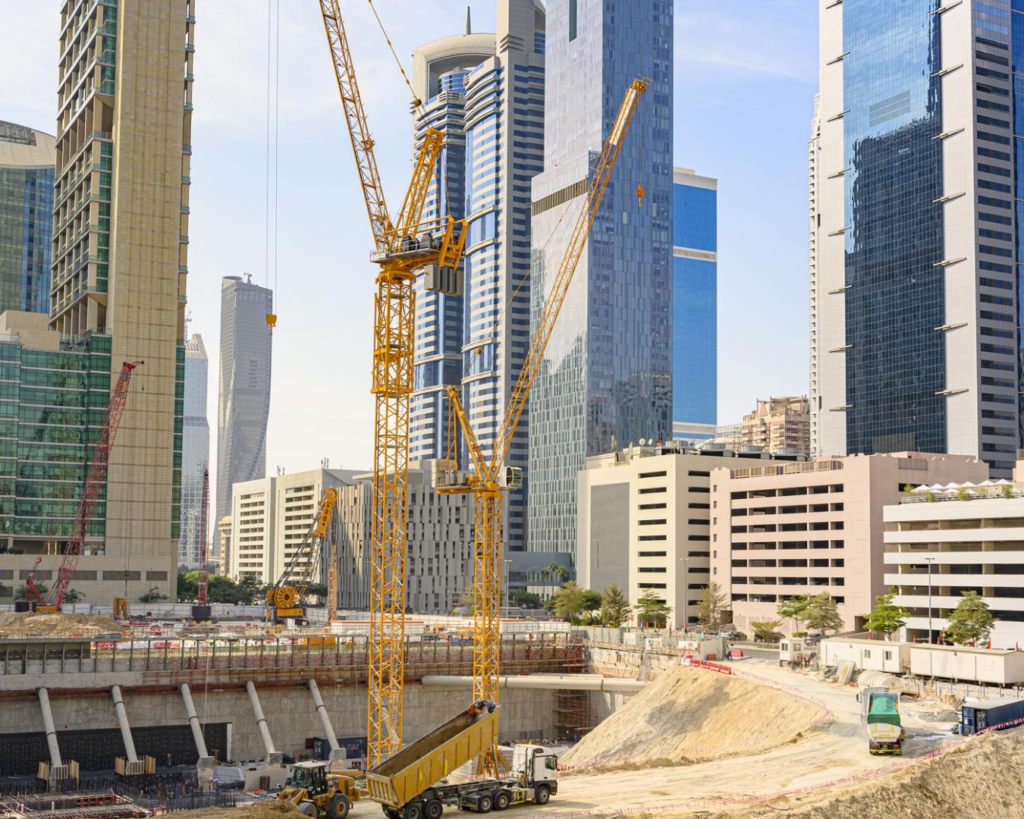
Large-scale national transformation programs are already well underway, and nothing can come in their way. Saudi Arabia’s ambitious Vision 2030 initiative continues to reshape the Kingdom’s economy and global positioning. The United Arab Emirates remains a leader in innovation, trade, logistics, and future industries. Qatar continues to strengthen its position as a global energy powerhouse while investing heavily in infrastructure and technology.
Across the region, governments are investing billions of dollars in sectors that will define the next generation of economic growth. These initiatives are not short-term projects. They are decades-long strategies designed to future-proof the region and reduce reliance on traditional industries.
Moments of disruption rarely stop these ambitions. In many cases, they actually accelerate them.
A Strategic Global Crossroads
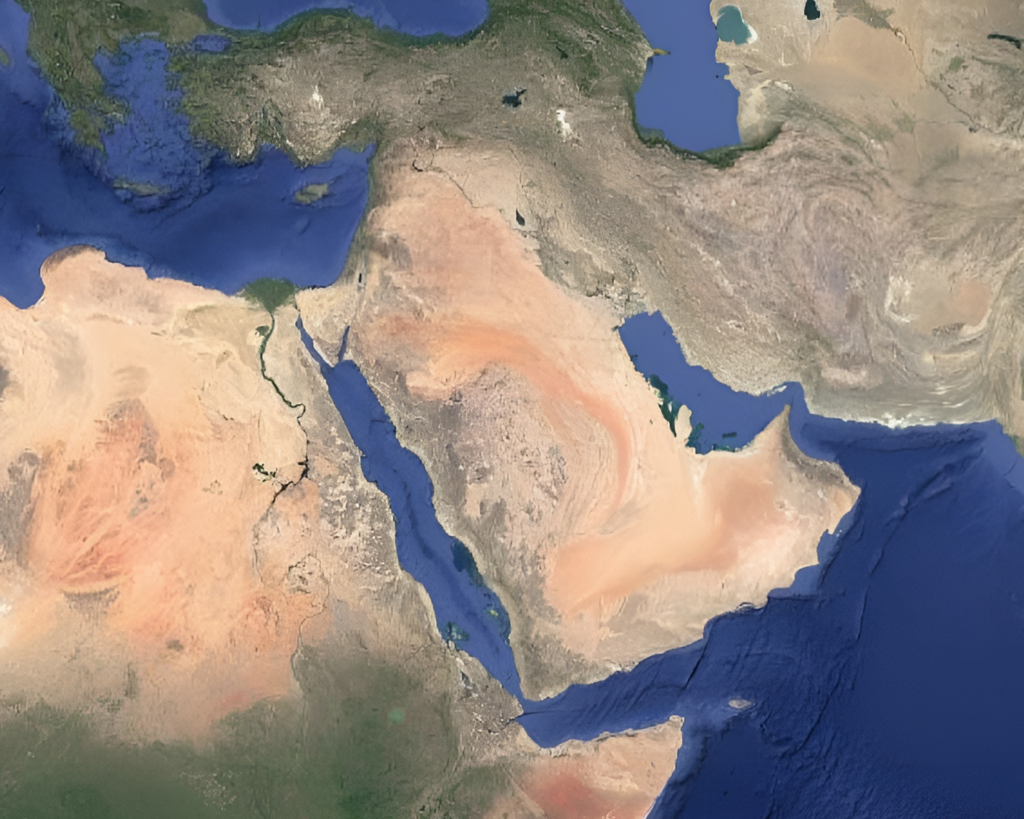
Geographically, the Middle East sits at one of the most important intersections in global trade. The Gulf region connects Asia, Europe, and Africa, serving as a bridge between major economic centers.
Ports, aviation networks, logistics hubs, and trade corridors across the GCC have transformed the region into a vital artery of global commerce.
Airlines based in the Gulf now connect hundreds of cities worldwide, while modern ports and logistics infrastructure handle enormous volumes of international trade. Once regional tensions ease, these strategic advantages will continue to further attract global business and investment.
For multinational companies, the GCC remains one of the most stable and forward-looking regions in the world.
The Opportunists Will Leave, the Believers Will Stay
History also teaches another important lesson during times of uncertainty.
Whenever turbulence strikes, a small group of opportunistic players tend to pack their bags and leave. These are the individuals and businesses who came to the region only for short-term gains, without a genuine connection to the societies and communities that make the Gulf extraordinary.
Many of us who lived through the global financial crisis of 2008 and 2009 will remember how some of these opportunistic actors quickly exited the region at the first sign of difficulty. They left as quickly as they had arrived, revealing that their commitment to the Gulf had always been transactional rather than genuine.
But while a few “opportunistic vultures” may desert the region during difficult times, the overwhelming majority remain.
And those who stay are the people who truly believe in the region, and the ones that will continue to propel the region further into economic and social success.
They are the entrepreneurs who continue investing.
The professionals who keep building businesses.
The families who have made the Gulf their home.
The communities that continue working together through both prosperity and uncertainty.
These are the individuals who understand the deeper story of the region, that the Gulf is not merely a place to do business. It is a place where nations are being built, economies are being transformed, and societies are evolving.
A Tribute to the People Who Built the Region
The remarkable success of the Gulf did not happen in isolation.
It was built through a partnership between visionary leadership and the dedication of millions of people from across the world.
Local citizens have provided the cultural foundation, stability, and national vision that guides development. Alongside them are millions of expatriates representing countless nationalities who have contributed their talent, sweat, hard work, and expertise in scorching heat to help build some of the most dynamic economies on the planet.
Automotive teams, engineers, doctors, teachers, technicians, salesmen, airline workers, entrepreneurs, financiers, construction workers, hospitality professionals, and countless others have all played a role in shaping the modern Gulf.
Together, they have transformed cities, built world-class infrastructure, created global companies, and supported industries that connect the region to the world.
Most importantly, they stay.
They stay during periods of growth and during periods of uncertainty.
They stay when markets are booming and when markets are quiet.
They stay during sunshine and during storms.
This resilience and loyalty form the true backbone of the Gulf’s economic success.
The Automotive Industry and Mobility Transformation
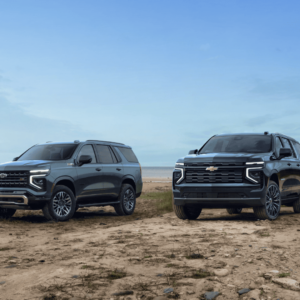
For the automotive sector in particular, the Gulf represents a market undergoing rapid transformation.
As a platform focused on the automotive distribution and retail ecosystem, AutomotivateME.com has witnessed firsthand how mobility trends in the Middle East are evolving.
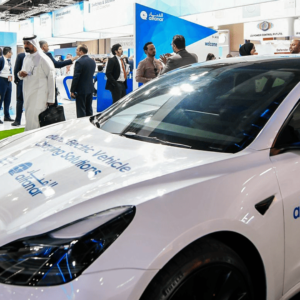
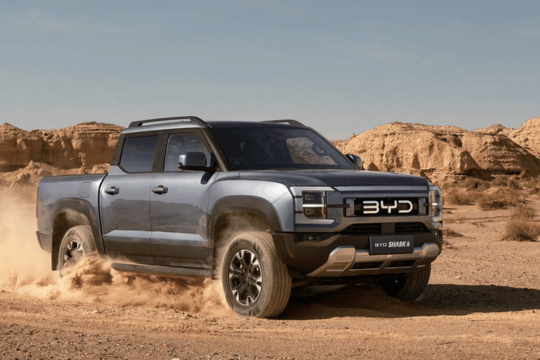
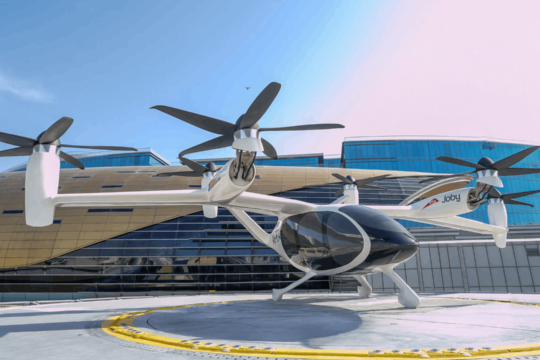
Electric vehicles, smart mobility platforms, autonomous technologies, and connected car ecosystems are beginning to reshape the industry. Governments across the GCC are actively supporting this transition through policy initiatives, infrastructure development, and sustainability programs.
Major cities are investing in charging networks, smart traffic systems, and next-generation mobility solutions. At the same time, consumer demand for innovation and advanced technologies continues to grow.
Once stability returns to the wider region, the pace of automotive transformation is likely to accelerate even further.
For automotive brands, distributors, and mobility innovators, the Gulf will remain a critical market and gateway to broader regional growth.
Confidence Among Global Investors
Global investors have long viewed the GCC as a safe harbor within a complex region.
Despite periodic geopolitical tensions, the Gulf’s economic fundamentals remain strong. Sovereign wealth funds across the region collectively manage trillions of dollars in assets and continue to invest heavily in global markets.
At the same time, international capital continues to flow into the region, attracted by pro-business regulations, world-class infrastructure, and ambitious development projects.
Mega-projects across the Gulf, from futuristic cities and tourism destinations to industrial hubs and technology parks are designed to attract and retain both talent and capital from around the world.
These projects are not merely symbolic; they represent the long-term confidence the region has in its future.
Stability Will Restore Momentum
History consistently shows that periods of tension in the Middle East are often followed by renewed diplomatic engagement, economic cooperation, and regional development.
Once the current uncertainty subsides, attention will once again shift toward rebuilding momentum and strengthening partnerships.
- Trade corridors will reopen fully.
- Tourism will rebound.
- Investment flows will accelerate.
- Regional cooperation initiatives will regain focus.
In many ways, these moments of pause allow nations to reassess priorities, strengthen alliances, and refine strategies for the future.
As the old saying goes: sometimes one step back creates the opportunity for two steps forward.
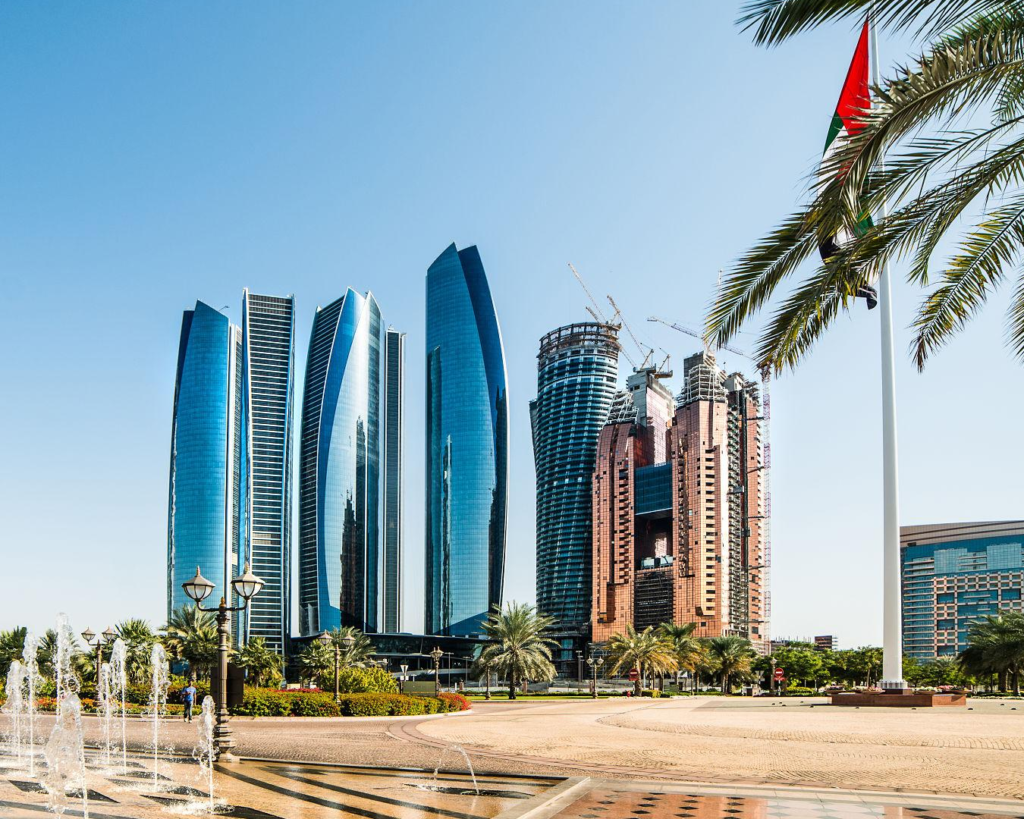
We are in a Region That Thinks Long-Term!
Perhaps the most important factor in the Gulf’s resilience is its ability to think beyond immediate challenges.
National strategies across the GCC are not designed around election cycles or short-term gains. They are structured around decades-long visions that prioritize sustainability, economic diversification, and societal well-being.
Whether it is renewable energy or automotive manufacturing investments, advanced technology ecosystems, or educational transformation, the region’s leadership consistently demonstrates a commitment to preparing future generations for a rapidly changing world.
This long-term thinking is what allows the GCC to navigate turbulence without losing sight of its broader ambitions.
Looking Ahead with Confidence
For those who live and work in the Gulf region, the current period may feel uncertain. Yet the fundamentals that have driven the region’s success remain firmly in place.
- Visionary leadership.
- Strategic investment.
- Global connectivity.
- Economic diversification.
- And a shared commitment to progress.
These pillars have allowed the GCC to transform itself over the past half century into one of the most dynamic regions in the world.
There is little reason to believe that trajectory will change.
If anything, the next phase of development may be even more ambitious. We are extremely lucky to be in a region that is aggressively planning a successful future for the next generations, whilst most of the world is planning for their next election.
One Step Back, Two Steps Forward
If there is one lesson that history has repeatedly taught about the Gulf region, it is this: resilience is deeply embedded in its character.
Challenges may arise. Uncertainty may arise. But the region has an extraordinary ability to adapt, evolve, and emerge stronger each time.
The Gulf has done it before. And it will do it again!
When the current turbulence eventually passes, the GCC will not simply return to where it was. It will move forward with renewed momentum, stronger partnerships, and an even clearer vision of its role in the world.
The opportunists may leave, but those who truly believe in the region will remain, building, investing, contributing, and shaping the future.
And when the next chapter of growth begins, the Gulf Cooperation Council will once again stand taller, stronger, and more confident than before.