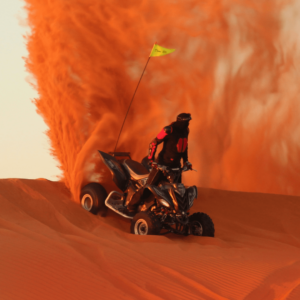
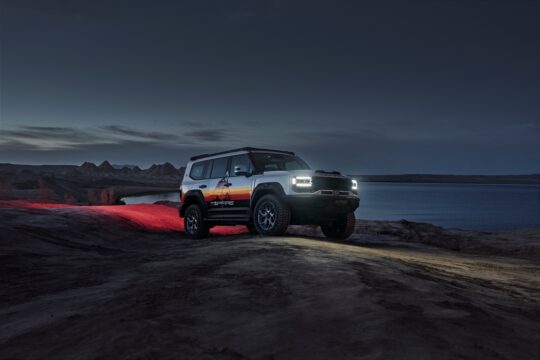
If you’re planning to cross the Arabian desert, ask a Bedouin which vehicle they trust. Their advice is earned through generations of living with one of the world’s harshest landscapes.
But as others like myself, we can’t exactly be blamed here. We grew up in the 70s and 80s, surrounded by your Land Cruisers, Rovers, or Willys. Some of these even had to be cranked to even get started. I still recall the excruciating pain as a child attempting to help my father crank the vehicle into life, only to get knocked by the shaft on the knee or family jewels. This upbringing took me across some of the most challenging terrain on Earth, be it the remote parts of Africa, the jungles of Asia, the outback of Australia, or the effervescent dunes of the Middle East.
There are countless ways for an automotive manufacturer to promote its vehicles. Television commercials showcase stunning landscapes, social media campaigns highlight the latest technology, and manufacturers spend millions creating controlled demonstrations designed to prove their products can handle almost anything.
Yet perhaps the most convincing endorsement of all cannot be bought.
It appears unexpectedly on our television screens and news feeds during coverage of humanitarian missions, disaster relief operations, infrastructure projects deep in the desert, peacekeeping deployments, and expeditions into some of the world’s most inaccessible regions. Without any sponsorship or product placement, certain vehicles repeatedly emerge in the background, not because they were product placements selected for advertising, but because someone trusted them to get the job done.
For decades, the world’s harshest environments have acted as an unofficial proving ground for automotive engineering.
Whether it is a humanitarian convoy transporting food and medical supplies across arid terrain, engineers servicing remote oil and gas installations, mining operations hundreds of kilometres from the nearest town, civil defence teams responding to emergencies, or military logistics operating in unforgiving conditions, the choice of vehicle is rarely based on styling, infotainment systems, or luxury features.
It is based on one question: Will this vehicle start every morning, carry its load, and return safely, day after day, year after year?
That question has built the reputations of some of the automotive industry’s most respected brands.
Throughout the Middle East, Africa, Australia and other regions with extreme climates, a handful of vehicles have become almost legendary.
The Toyota Land Cruiser and Hilux have earned worldwide respect for their ability to withstand extraordinary abuse while continuing to perform under conditions that would challenge almost any machine. Nissan’s Patrol has developed a similarly loyal following across the Gulf, where generations of drivers have trusted it to tackle everything from city streets to endless sand dunes. The Land Rover Defender, despite its evolution over the years, remains synonymous with exploration and remote operations, while vehicles from manufacturers such as Mitsubishi, Lexus and Mercedes-Benz have also built strong reputations in demanding commercial and government applications.
None of these reputations was created overnight. They were built through decades of continuous refinement, lessons learned from real customers, and millions upon millions of kilometres driven in environments that expose even the smallest engineering weakness.
In many ways, the Middle East has been one of the world’s most influential automotive laboratories. Temperatures regularly exceeding 50°C, relentless ultraviolet radiation, abrasive desert dust, long highway journeys, mountainous terrain and heavy towing loads create conditions that simply cannot be fully replicated inside a testing facility.
A vehicle that performs consistently here has earned a level of credibility that resonates far beyond the region.
Interestingly, the automotive industry has benefited from a form of exposure that no marketing department could ever plan.
News coverage from around the world often captures vehicles operating in the background of major events, crossing deserts, navigating flood-damaged roads, supporting earthquake relief, transporting engineers to remote infrastructure, or carrying humanitarian aid into isolated communities.
These are not promotional events. The vehicles are there because they have been selected by organisations whose operations depend on reliability, and risk mitigation is not negotiable.
When the public repeatedly sees the same models appearing in some of the world’s toughest environments, those images gradually shape perception. Over time, they become a powerful form of unofficial product endorsement.
For many consumers, these scenes reinforce a simple belief: if professionals trust these vehicles where failure is not an option, they are likely to perform well in everyday ownership too.
The Challenge Facing New Entrants
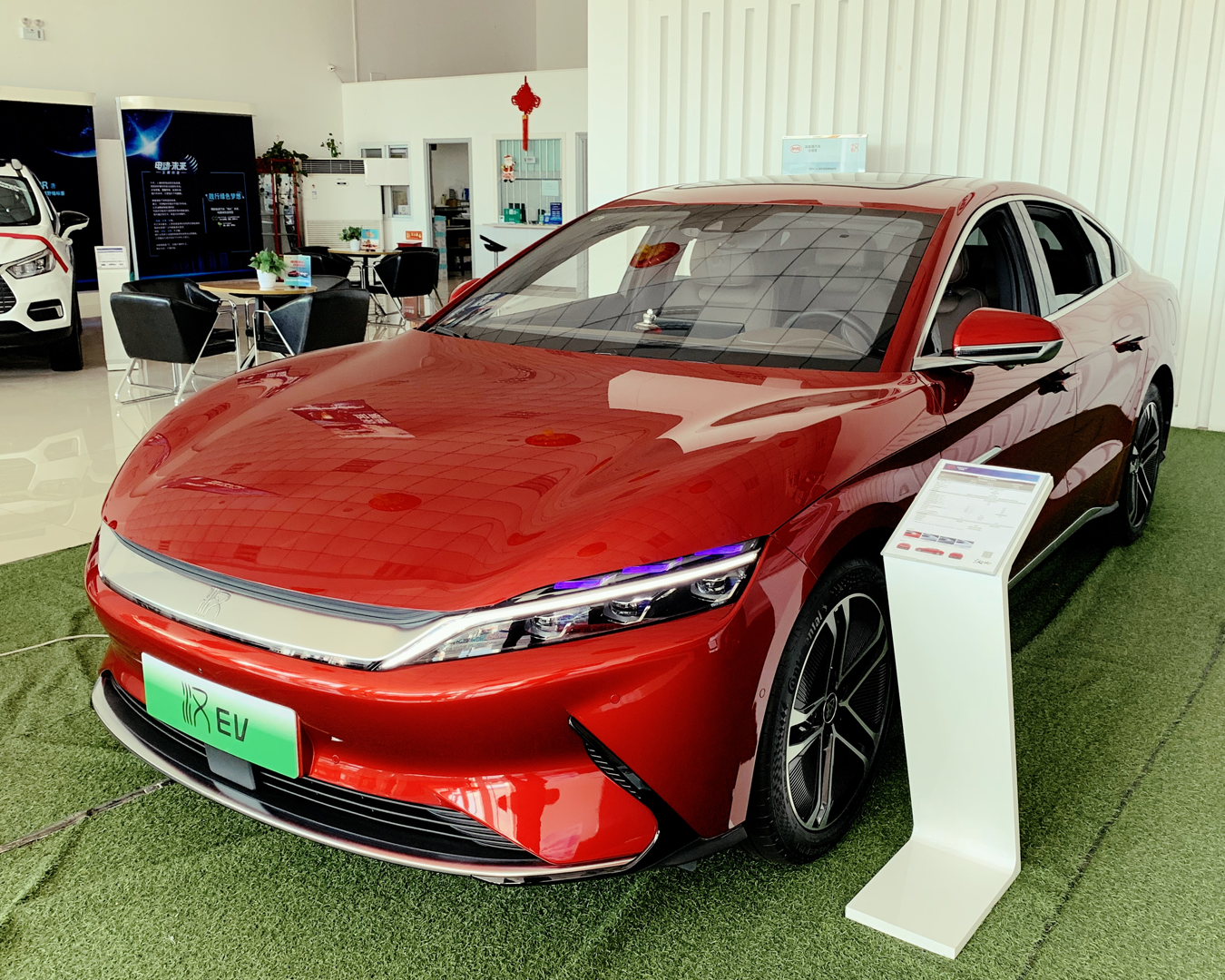
Today’s automotive landscape, however, is changing rapidly.
Manufacturers from China, including BYD, Geely, Chery, GAC, MG, Zeekr, XPeng and others, are entering Middle Eastern and other harsh terrain markets with remarkable speed. Their products feature sophisticated driver assistance systems, premium interiors, impressive build quality and highly competitive pricing.
Electric vehicle manufacturers are accelerating this transformation even further, introducing new platforms that promise lower maintenance costs, instant torque and advanced software capabilities.
There is little doubt that many of these vehicles represent significant engineering achievements.
The question facing the industry is not whether they are technologically advanced. It is whether they can build the same level of trust that legacy brands have accumulated over generations.
Engineering excellence can be demonstrated during a launch event. Long-term durability cannot.
It takes years, often decades, for a manufacturer to prove that its vehicles can consistently withstand scorching summers, poor road conditions, high annual mileage, dust, humidity, heavy commercial use and minimal downtime.
It is a reputation that cannot simply be accelerated through advertising budgets or social media campaigns.
Electric Vehicles Face a Different Test
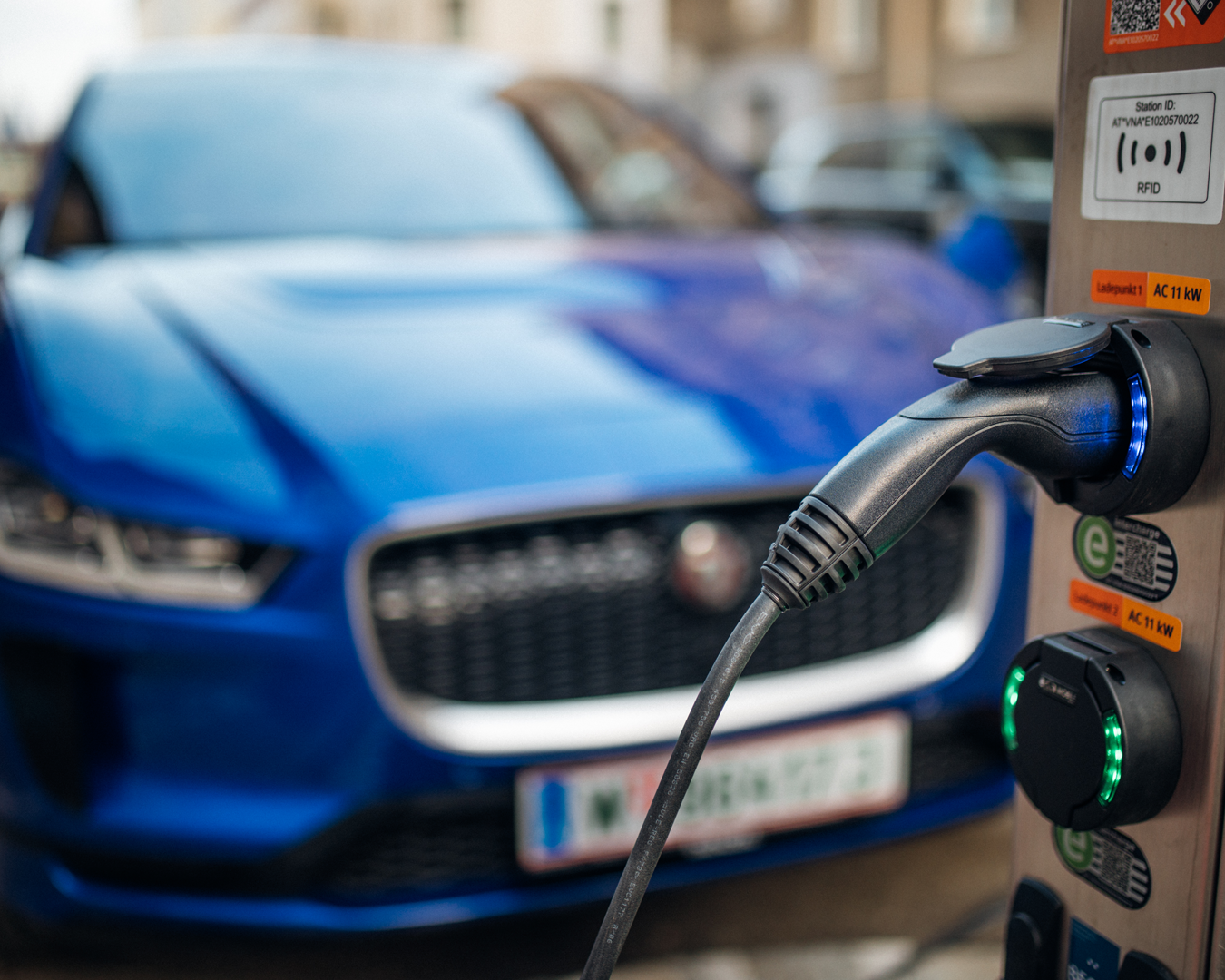
Electric vehicles also introduce an entirely new dimension to the discussion.
Without traditional engines, gearboxes or exhaust systems, EVs eliminate many of the mechanical components that have historically required maintenance. Modern battery cooling systems are sophisticated, electric motors are exceptionally reliable, and software can often optimise performance automatically.
However, the Middle East presents unique operating conditions.
Battery thermal management, charging infrastructure, sustained high-speed driving in extreme temperatures and long-term battery durability will all continue to be closely watched as EV adoption grows throughout the GCC.
Early results are encouraging, particularly in countries such as the UAE and Saudi Arabia, where investment in charging infrastructure continues to expand. Nevertheless, widespread confidence will ultimately depend on years of successful operation under real-world conditions rather than laboratory testing.
The automotive industry has entered one of the most competitive periods in its history. Never before have consumers enjoyed such a wide choice of manufacturers, technologies and price points. Competition is driving innovation at an unprecedented pace, and the next decade is likely to reshape the global automotive landscape.
Yet one principle remains unchanged. Reputation is earned over time.
The vehicles that have become icons across the Middle East did not achieve that status because they were the newest, the fastest or the most technologically advanced. They earned it because owners repeatedly discovered that, when conditions became difficult, those vehicles simply kept going.
For every new manufacturer entering the region today, the opportunity is enormous, but so is the challenge.
The deserts of the Middle East have always separated impressive specifications from proven capability. In this part of the world, engineering claims are measured not in brochures or online reviews, but in years of dependable service under some of the harshest conditions on Earth.
And perhaps that is why the most valuable advertisement any manufacturer can receive is not one they pay for. It is the quiet confidence that comes from seeing their vehicles continue to perform, year after year, wherever the road or the absence of one may lead.
Before you believe a glossy advertisement or a social media influencer, ask someone whose livelihood has depended on crossing the Arabian desert. Generations of Bedouins have learned that the desert is the ultimate judge of engineering. It has no interest in horsepower figures, touchscreen displays or marketing slogans.
Out here, only one question matters: will the vehicle get you there and bring you home again?
To stay up-to-date on everything automotive in the region, follow us on:
LinkedIn: Automotivate Middle East
Instagram: @automotivate.me
Facebook: Automotivate ME